Relief Now, Resilience Later? What Your Antihistamine May Be Costing Your Immune System Over Time
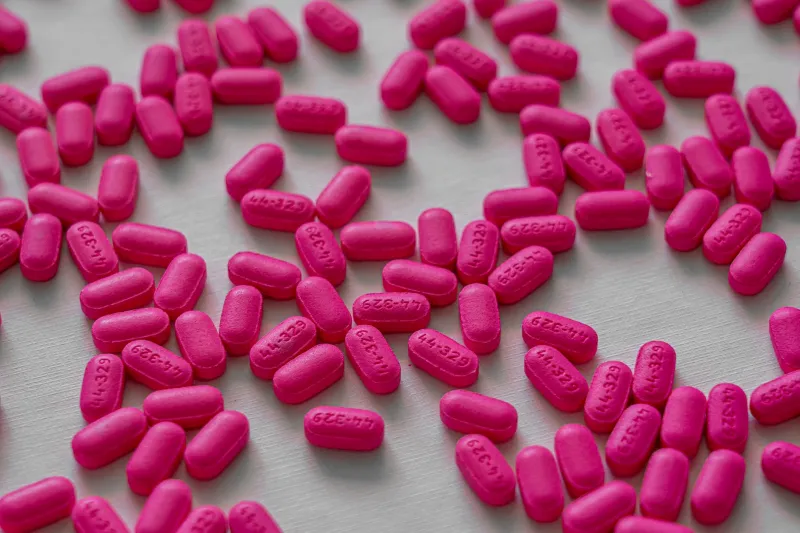
Every spring, tens of millions of Americans reach for the same solution: a small tablet, a familiar brand name, and the promise of a sneeze-free afternoon. Antihistamines are a cornerstone of seasonal allergy management, generating billions in annual sales and occupying prime real estate on pharmacy shelves from coast to coast. They work. That much is not in dispute.
What is increasingly under scrutiny, however, is what happens beyond the symptom-free afternoon—specifically, whether the biological mechanisms that antihistamines suppress may serve a purpose that extends well beyond making you miserable during oak pollen season.
How Antihistamines Actually Work—And What Else They May Be Blocking
When your immune system encounters an allergen—ragweed, dust mites, cat dander—specialized cells called mast cells release histamine, a signaling molecule that triggers the cascade of inflammation most allergy sufferers know intimately: itching, swelling, mucus production, sneezing. Antihistamines work by binding to histamine receptors, particularly the H1 receptor, and blocking this cascade before it fully develops.
This mechanism is straightforward and effective. What is less commonly discussed is that histamine is not merely an inconvenient byproduct of allergen exposure. It is a genuine immunological messenger—one that participates in a range of adaptive immune functions, including the activation and migration of dendritic cells, the modulation of T-helper cell responses, and the regulation of cytokine signaling. In short, histamine helps coordinate how your immune system learns from the threats it encounters.
When that signal is consistently blocked, some researchers argue, a portion of that learning process may be interrupted as well.
The Tolerance Question: Can Suppression Prevent Adaptation?
The concept of allergen tolerance is not new. It forms the entire theoretical foundation of allergen immunotherapy—the clinical practice of exposing patients to gradually increasing doses of an allergen, typically via subcutaneous injections or sublingual drops, with the goal of training the immune system to respond with less severity over time. This process depends, in part, on the very inflammatory signals that antihistamines are designed to suppress.
A growing body of research suggests that repeated antihistamine use during peak exposure periods may blunt the immune system's capacity to generate regulatory T cells (Tregs), which are critical mediators of allergen tolerance. A 2021 review published in Frontiers in Immunology noted that histamine receptor signaling plays a modulatory role in Treg differentiation—raising the possibility that long-term antihistamine use could, under certain conditions, impair the development of natural tolerance mechanisms.
It is important to be precise here: this does not mean antihistamines cause lasting immune damage or that they are contraindicated for most patients. Rather, the emerging picture is one of trade-offs. Consistent suppression of histamine signaling may, over multiple allergy seasons, reduce the cumulative immune education that occurs through natural allergen exposure.
The Generational Shift in Antihistamines—and Why It Matters
First-generation antihistamines like diphenhydramine (the active ingredient in Benadryl) are sedating and relatively short-acting. Second-generation antihistamines—cetirizine (Zyrtec), loratadine (Claritin), and fexofenadine (Allegra)—were designed to address these shortcomings. They are non-sedating, longer-lasting, and more receptor-selective.
However, their selectivity is also worth examining. Second-generation antihistamines demonstrate varying degrees of anti-inflammatory activity beyond simple H1 blockade. Cetirizine, for instance, has been shown in multiple studies to inhibit the migration of eosinophils—immune cells involved not only in allergic inflammation but also in broader immune surveillance functions. Loratadine has demonstrated inhibitory effects on certain cytokine pathways. Whether these extended anti-inflammatory properties contribute meaningfully to long-term immune modulation remains an active area of investigation.
Pre-Season Protocols: A More Integrative Framework
For health-conscious individuals seeking to balance immediate relief with long-term immune resilience, a pre-season preparation strategy—initiated four to six weeks before typical symptom onset—offers a compelling alternative to reactive, symptom-driven antihistamine use.
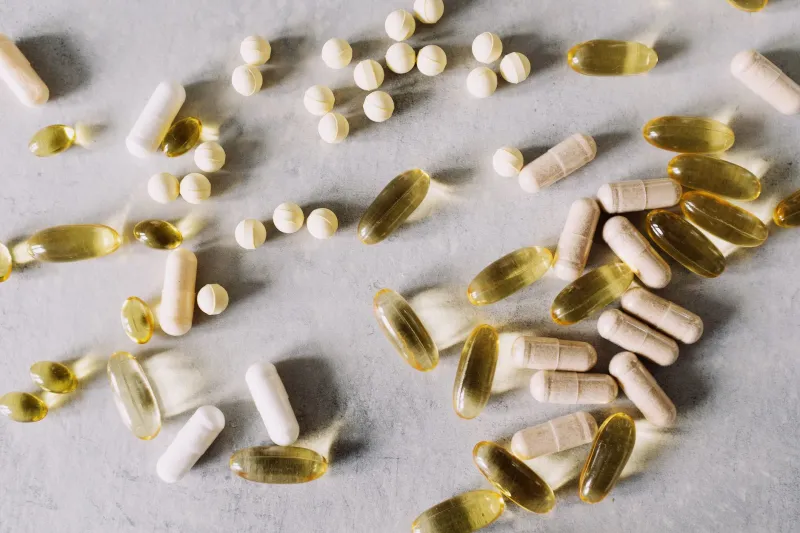
Quercetin as a natural mast cell stabilizer. Quercetin, a flavonoid found in apples, onions, and capers, has demonstrated mast cell-stabilizing properties in preclinical and early clinical research. By reducing the likelihood of histamine release in the first place, rather than blocking histamine receptors after the fact, quercetin may offer a mechanistically different approach to allergy prevention—one that does not interfere with downstream immune signaling in the same way.
Vitamin D optimization. Suboptimal vitamin D levels are consistently associated with heightened allergic sensitivity and impaired Treg function. Ensuring adequate vitamin D status before allergy season begins—ideally confirmed through a 25-hydroxyvitamin D blood test—may support the immune regulatory pathways that contribute to allergen tolerance.
Probiotics and the gut-immune axis. The relationship between gut microbiome composition and allergic disease is one of the more robust findings in contemporary immunology. Specific strains, including Lactobacillus rhamnosus GG and Bifidobacterium longum, have shown promise in reducing allergic sensitization in controlled trials. A pre-season course of targeted probiotic supplementation may prime the gut-immune interface ahead of peak allergen exposure.
Strategic antihistamine timing. For those who require pharmaceutical antihistamines, emerging evidence from chronopharmacology suggests that evening dosing—particularly for once-daily second-generation formulations—may align more effectively with the circadian patterns of histamine release and immune cell activity. This approach may allow for meaningful daytime immune engagement while still controlling overnight and early-morning symptom burden.
When Pharmaceutical Management Remains the Right Choice
None of this is to suggest that antihistamines are the wrong choice for the millions of Americans whose quality of life is meaningfully disrupted by seasonal allergies. Severe allergic responses, allergic asthma, and anaphylaxis risk represent clinical contexts in which pharmaceutical management is not merely appropriate—it is essential. The goal of an integrative framework is not to replace evidence-based pharmaceutical care but to complement it with strategies that address the broader immune landscape.
For patients currently undergoing allergen immunotherapy, it is worth having an explicit conversation with your allergist about antihistamine use during treatment. Some protocols specifically limit antihistamine intake in the period surrounding allergen injections or sublingual drops, precisely because of concerns about blunting the adaptive immune response that the therapy is designed to stimulate.
A More Nuanced Conversation With Your Provider
The question is not whether antihistamines work—they clearly do. The more productive question is whether the strategy you are currently using optimizes both your immediate comfort and your immune system's long-term capacity to adapt.
Bringing this conversation to your primary care physician or allergist before the season begins—rather than after symptoms have already escalated—creates the opportunity to design a protocol that is genuinely personalized. That might mean pre-season supplementation, timed pharmaceutical use, formal immunotherapy evaluation, or some combination of all three.
At WellnessRx, we believe that informed patients make better decisions. Understanding that your antihistamine does more than block a receptor—and that the signals it suppresses may carry immunological information worth preserving—is not a reason for alarm. It is a reason for a more complete conversation.