How Your Gut Bacteria Are Quietly Rewriting Your Prescription's Story
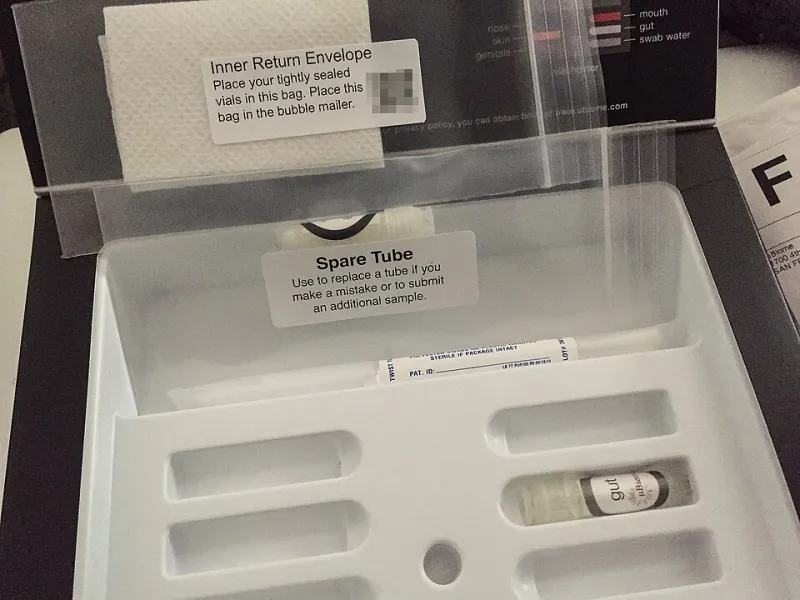
Photo: Tony Webster from San Francisco, California, CC BY 2.0, via Wikimedia Commons
When a physician writes a prescription, the implicit assumption is straightforward: you take the medication, your body absorbs it, and the drug performs as intended. Yet a rapidly expanding body of research is challenging that assumption at its foundation. The 38 trillion microorganisms residing in your gastrointestinal tract—collectively known as the gut microbiome—do not passively observe as pharmaceuticals pass through. They interact, metabolize, and in some cases fundamentally alter the drugs you depend upon.
This is not a fringe theory. It is one of the most consequential frontiers in modern pharmacology, and its implications extend far beyond gastroenterology into virtually every therapeutic category.
The Gut as an Unacknowledged Pharmacist
The human digestive system has long been understood as the primary route of drug absorption. What has received far less clinical attention is the active enzymatic role that gut bacteria play in that process. Certain bacterial species produce enzymes capable of converting inactive drug compounds into their active forms—a process called bioactivation. Others do precisely the opposite, deactivating medications before they ever reach systemic circulation.
Consider the cardiac glycoside digoxin, a medication used to treat heart failure and certain arrhythmias. Research published in Science demonstrated that the bacterium Eggerthella lenta can inactivate digoxin in the gut, rendering the drug ineffective in patients who harbor high concentrations of this organism. Two patients on identical doses may experience dramatically different therapeutic outcomes based solely on the composition of their microbiomes.
The antibiotic metronidazole presents another instructive case. While the drug is designed to eliminate harmful bacteria, its own metabolism is partially governed by bacterial enzymes—creating a circular pharmacological relationship that clinicians rarely factor into dosing decisions.
Medications Most Vulnerable to Microbiome Disruption
Not all pharmaceuticals are equally susceptible to microbial interference, but several widely prescribed drug classes warrant particular attention.
Antidepressants and psychotropics: Selective serotonin reuptake inhibitors (SSRIs) are among the most prescribed medications in the United States. What many patients and even prescribers do not appreciate is that approximately 95 percent of the body's serotonin is produced in the gut—and its synthesis is directly influenced by microbial metabolites. Research from the California Institute of Technology has demonstrated that specific gut bacteria regulate serotonin biosynthesis in intestinal enterochromaffin cells, suggesting that microbiome dysbiosis could blunt SSRI efficacy before the drug even reaches the brain.
Immunosuppressants: Tacrolimus, used following organ transplantation, exhibits significant interpatient variability in blood concentration levels. A 2019 study identified that Faecalibacterium prausnitzii and other commensal bacteria contribute to this variability through direct drug metabolism—a finding with potentially life-or-death implications for transplant recipients.
Chemotherapy agents: The relationship between gut bacteria and cancer treatment efficacy has become one of oncology's most active research areas. Studies examining immunotherapy drugs such as pembrolizumab have found that patients with more diverse microbiomes demonstrate substantially better treatment responses. Researchers at MD Anderson Cancer Center and the University of Texas have both published data linking specific bacterial signatures to immunotherapy outcomes.
Nonsteroidal anti-inflammatory drugs (NSAIDs): Ibuprofen and similar compounds are known to alter gut microbiome composition, but the microbiome also influences NSAID-induced gastrointestinal damage. Certain bacterial metabolites appear to offer protective effects against NSAID-associated mucosal injury, while dysbiosis may amplify the risk of gastrointestinal bleeding.
The Clinical Blind Spot
Despite this accumulating evidence, microbiome assessment remains absent from standard pharmaceutical prescribing protocols in the United States. Most physicians receive minimal training in microbiome science during medical school, and current clinical guidelines do not incorporate gut health evaluation into medication management.
Functional medicine practitioners have been quicker to integrate this perspective. These clinicians routinely assess gut health markers—including stool microbiome panels, intestinal permeability indicators, and short-chain fatty acid levels—as part of comprehensive patient evaluations, particularly when patients report inadequate drug responses or unexplained side effects.
The disconnect between conventional prescribing and microbiome science represents a meaningful gap in patient care, one that both gastroenterologists and functional medicine practitioners are working to bridge.
Dietary Strategies to Support Microbiome-Optimized Drug Outcomes
While personalized microbiome testing is becoming more accessible through direct-to-consumer platforms and specialty labs, practical dietary interventions can support microbiome diversity and, by extension, more consistent pharmaceutical outcomes.
Prioritize fermentable fiber: Prebiotic fibers found in foods such as garlic, onions, leeks, asparagus, and Jerusalem artichokes selectively feed beneficial bacterial populations. A fiber-rich diet consistently correlates with greater microbiome diversity—a marker associated with more predictable drug metabolism.
Incorporate fermented foods strategically: Yogurt with live cultures, kefir, kimchi, sauerkraut, and kombucha introduce live bacterial cultures into the digestive environment. A landmark Stanford University study published in Cell found that a diet high in fermented foods increased microbiome diversity and reduced inflammatory markers over a 17-week period.
Time medication administration thoughtfully: Emerging research suggests that the gut microbiome follows circadian rhythms, with bacterial populations and their metabolic activity fluctuating across a 24-hour cycle. Taking certain medications at consistent times may improve predictability of drug absorption, though patients should always consult their prescribing physician before altering dosing schedules.
Limit unnecessary antibiotic exposure: Antibiotics are the most powerful disruptors of gut microbial diversity. When antibiotic therapy is medically necessary, discussing probiotic co-administration with a healthcare provider—specifically strains such as Lactobacillus rhamnosus GG or Saccharomyces boulardii—may help mitigate collateral microbiome damage.
Moderate alcohol consumption: Chronic alcohol use is associated with significant microbiome dysbiosis and increased intestinal permeability, both of which can impair drug absorption and elevate side effect risk.
A Conversation Worth Having With Your Provider
Patients experiencing unexplained medication ineffectiveness, persistent side effects, or inconsistent therapeutic responses may benefit from raising the topic of gut health with their healthcare team. Requesting a comprehensive stool analysis, discussing probiotic and prebiotic strategies, or seeking a referral to a gastroenterologist or integrative medicine practitioner are all reasonable steps.
The microbiome-medication relationship is not yet sufficiently understood to generate universal clinical protocols. However, the evidence is compelling enough to warrant serious consideration as part of a holistic pharmaceutical wellness strategy. Your prescription may be written by your physician, but in a very real sense, it is also being edited—continuously—by the microbial community living inside you.
Optimizing that community is no longer solely a matter of digestive comfort. It may be one of the most consequential health decisions you make.