From Farm Bill to Fitness Studio: How Hemp Slipped Past the Regulators and Into Your Daily Routine
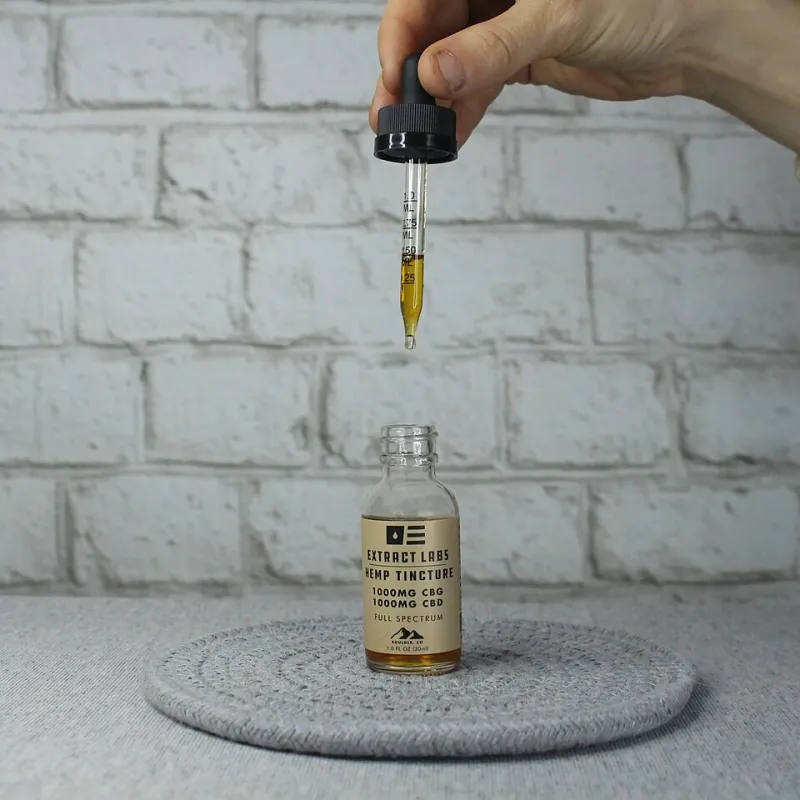
Photo: elsaolofsson, CC BY 2.0, via Wikimedia Commons
When Congress passed the 2018 Farm Bill, it removed hemp — cannabis with less than 0.3% delta-9 THC — from the federal list of controlled substances. What followed was one of the fastest product booms in modern American wellness: gummies at the gas station, tinctures at the yoga studio, CBD balms at the pharmacy checkout. What did not follow was a functioning regulatory framework.
Six years on, the Food and Drug Administration has approved exactly one CBD-derived prescription drug — Epidiolex, for certain severe seizure disorders — while declining to greenlight CBD as a dietary supplement or food additive. The result is a strange purgatory: products sold everywhere, tested by no one, marketed with claims the agency has repeatedly said it has never evaluated.
The Wild West, Documented
Independent laboratory analyses have told a consistent story. A significant share of CBD products tested by academic labs and consumer organizations over the years have contained cannabinoid levels that didn't match their labels — some dramatically underdosed, others containing more THC than legally permitted. A smaller but real number have been contaminated with pesticides, heavy metals, or synthetic cannabinoids.
Because the FDA has largely limited enforcement to companies making egregious disease claims, quality in the marketplace is driven by brand reputation rather than regulation. Consumers are, in effect, conducting their own clinical trials without a control group.
Where Cannabinoids Actually Fit
The honest answer is nuanced. The strongest human evidence for CBD remains in refractory epilepsy — the basis for Epidiolex's approval. Evidence for anxiety, chronic pain, and sleep is preliminary and mixed, though not dismissible. Topical products likely deliver little systemic exposure. And for patients taking prescription medications, CBD is not inert: it inhibits several cytochrome P450 liver enzymes, the same pathway that metabolizes blood thinners, anti-epileptic drugs, and many antidepressants.
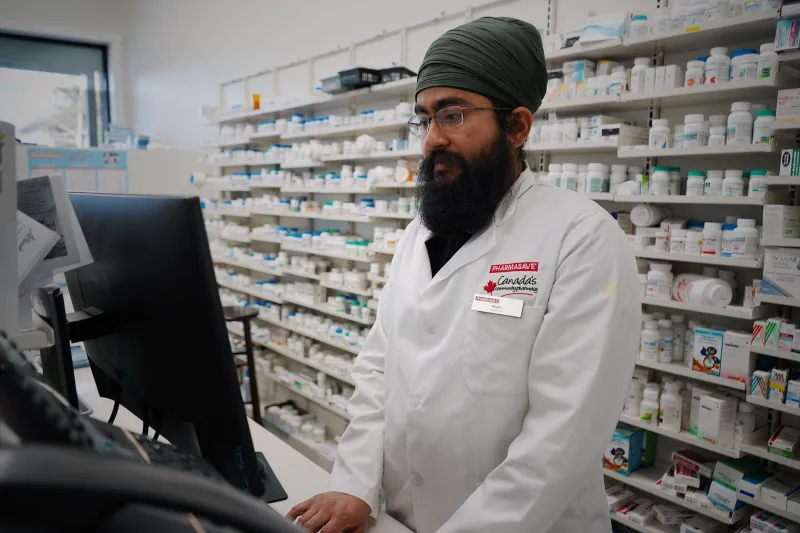
A patient on warfarin adding a daily CBD gummy is not making a benign wellness choice. They are pharmacologically self-medicating in a way that warrants a conversation with a clinician or pharmacist — ideally before, not after, an interaction surfaces.
A Practical Verification Checklist
For consumers who choose to use hemp-derived products, a baseline standard exists regardless of federal inaction:
- Demand a current Certificate of Analysis (COA) from an ISO 17025–accredited third-party lab, batch-matched to the product in hand.
- Check cannabinoid content against the label — potency within roughly 10% of the claim is a reasonable expectation.
- Screen for contaminants — the COA should cover pesticides, heavy metals, solvents, and microbial testing.
- Watch for red flags — products claiming to cure diseases, brands with no batch-level testing, or prices that seem impossibly low for the cannabinoid content claimed.
- Tell your healthcare team — CBD belongs on the same disclosure list as any supplement.
The Regulatory Question Won't Wait
Congress and the FDA are now confronting the next wave: intoxicating hemp-derived compounds such as delta-8 THC, which emerged through the same loophole and are already restricted in a growing number of states. The trajectory suggests that the era of cannabinoid anarchy is closing, slowly and unevenly.
Until then, American consumers occupy the gap between legalization and regulation. Navigating it requires the same skepticism we'd apply to any unverified compound — and the humility to admit that "natural" and "harmless" are not synonyms.