Behind the Counter, Ahead of the Danger: The Untapped Expertise Standing Between You and a Bad Interaction
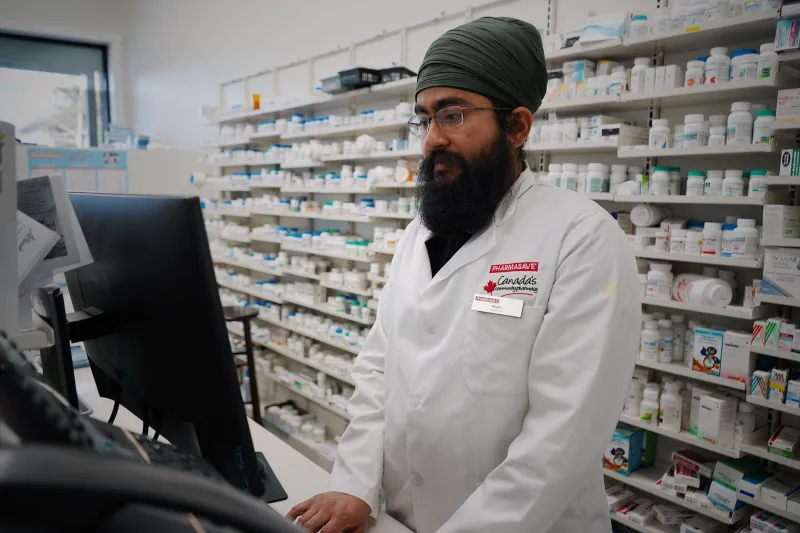
The average American sees their physician for roughly fifteen minutes a few times a year. They see their pharmacist far more often — every refill, every pickup, every late-night pharmacy run. Yet in most of those encounters, the conversation never gets past a signature and a "any questions?" delivered at the speed of a closing register.
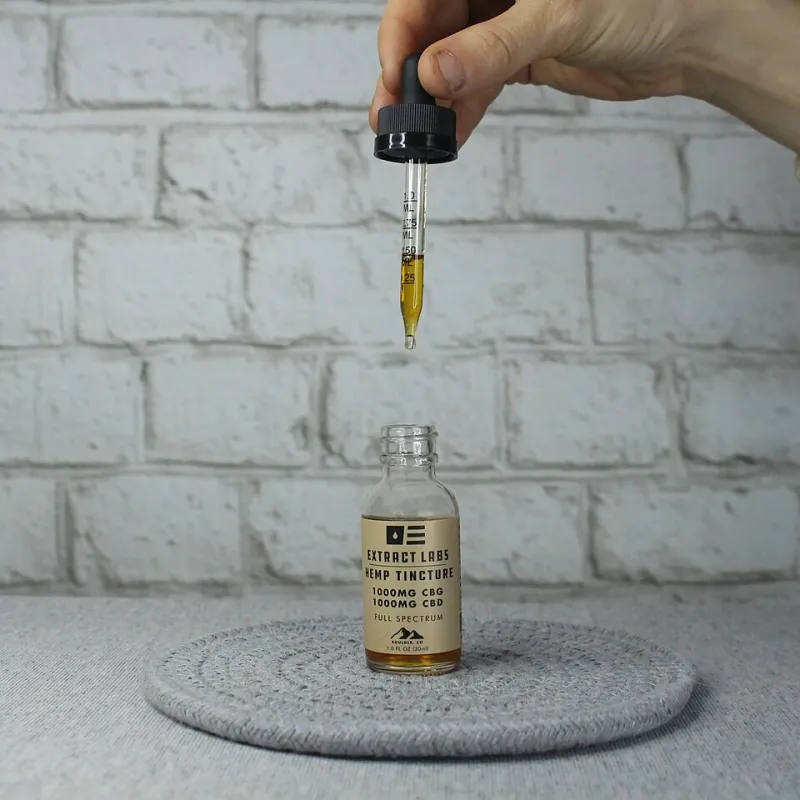
That silence has consequences. Because while your doctor may know your medical history, and your pharmacist may know your medication list, neither party automatically knows about the third player in this drama: the bottle of St. John's wort, ginkgo, or high-dose fish oil sitting on your kitchen counter. The person best positioned to catch the collision is the one patients most often wave past.
Two Systems, Zero Handshake
The structural problem is simple. Dietary supplements are not required to be listed in prescription drug databases the way medications are. Many patients don't consider herbal products "medications" at all, so they never volunteer them. Physicians, pressed for time, may ask about prescriptions but not about the adaptogen blend a patient started after a podcast recommendation.
Pharmacists, meanwhile, are trained specifically in drug interactions — including the herb-drug variety that medical school curricula often treat as a footnote. A licensed pharmacist can flag that St. John's wort accelerates the metabolism of birth control pills, transplant anti-rejection drugs, and certain antidepressants. They know ginkgo can amplify bleeding risk for patients on warfarin. They know that grapefruit isn't the only food or compound that interferes with statin metabolism.
But they can only flag what they can see.
When the System Works
Consider a scenario that plays out daily across American pharmacies: a patient presents a new prescription for a blood thinner and mentions, in passing, that they take vitamin E and a "joint formula" containing ginger and turmeric. Each of those, in isolation, is benign. Stacked on top of an anticoagulant, the cumulative antiplatelet effect becomes a genuine bleeding hazard. A pharmacist who asks the right follow-up questions can catch the stack before it becomes an emergency room visit.
Or the retiree picking up a new antihypertensive who mentions an herbal supplement for "energy" — which turns out to contain licorice root, a compound capable of raising blood pressure and blunting the very medication just prescribed. These interventions rarely make headlines precisely because they are invisible. The harm that never happens generates no statistics.
Five Questions to Ask at Every Pickup
Patients can convert the pharmacy counter from a transactional stop into a clinical checkpoint. Bring your full supplement list — bottles included — and ask:
- "Does this prescription interact with anything I'm taking over the counter or herbal?" Frame it broadly. "Herbal" prompts better recall than "supplements."
- "Should this be taken at a different time of day than my other medications or vitamins?" Timing conflicts — calcium binding to thyroid medication, for example — are common and easily fixed.
- "Are there foods or drinks I should avoid with this?" Beyond grapefruit, there are meaningful dietary interactions patients rarely hear about.
- "What early warning signs should I watch for if something isn't agreeing with me?" Pharmacists can translate the fine print into plain English.
- "Can you run a full interaction check on everything in my bag?" Many pharmacy systems can screen supplements alongside prescriptions if the pharmacist enters them.
Building the Bridge Yourself
Until electronic health records routinely capture supplement use — and some large health systems are moving in this direction — the burden of disclosure falls on patients. Keep a running list, photograph your supplement shelf once a month, and treat the pharmacist not as a checkout clerk but as the most accessible medication specialist in the American healthcare system.
The gap between the exam room and the pharmacy counter won't close on its own. But it can be bridged, one honest conversation at a time — ideally before the interaction happens, not after.