Aisle by Aisle, Dose by Dose: How Your Weekly Grocery Run Can Quietly Rewrite Your Prescription
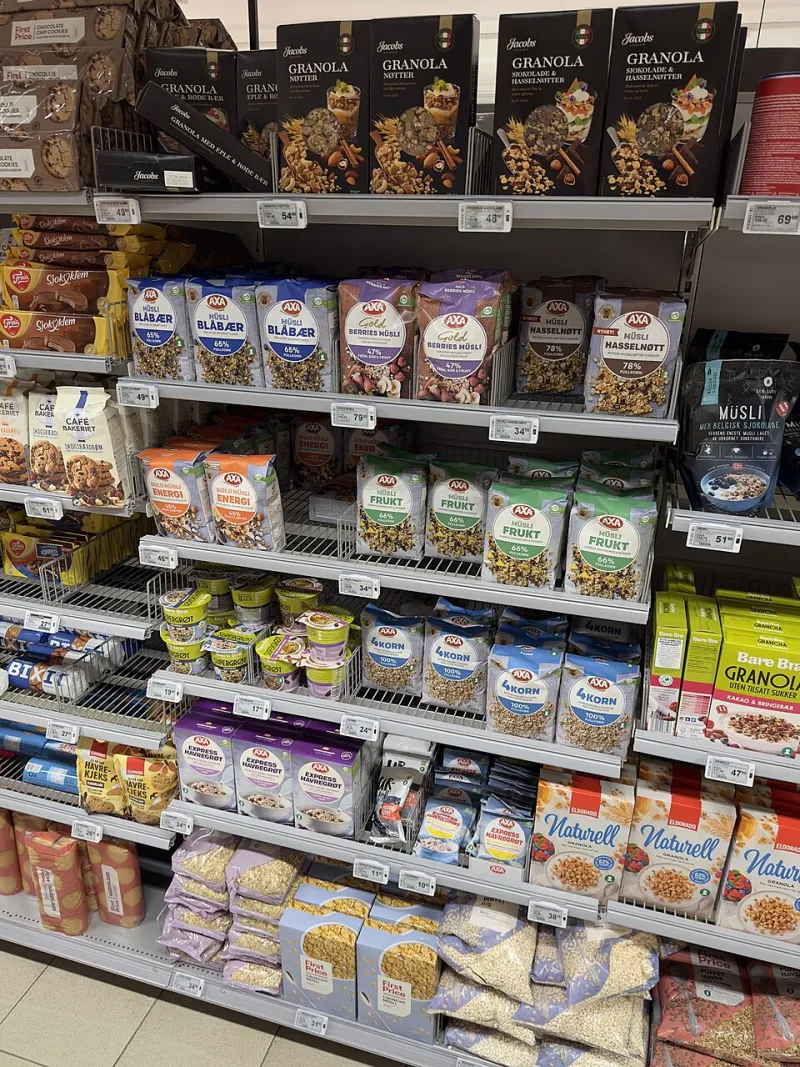
Photo: Wolfmann, CC BY-SA 4.0, via Wikimedia Commons
Walk into any major American supermarket and you are navigating a carefully choreographed environment. Dairy anchors the back wall. The bakery pumps its scent toward the entrance. And increasingly, a full pharmacy counter sits near the front, dispensing prescriptions to shoppers who will, minutes later, push their carts past products that can change how those prescriptions behave.
The intersection of the shopping list and the medication list is one of the most overlooked frontiers in everyday health. Nobody warns you at checkout that the produce you selected may be working with, or against, the pills in your cabinet at home.
The Layout Is Not an Accident
Retail grocers employ planograms, heat maps, and shopper-psychology consultants to decide what sits at eye level and what hides near your ankles. Pharmacy counters were placed near entrances for convenience, but the practical effect is a strange irony: the same building that fills your statin also sells the pomegranate juice and the high-potassium electrolyte waters that deserve a second thought before you combine them with it.
This is not an argument against fresh food. It is an argument for awareness. Food-drug interactions are real, documented, and largely preventable, yet surveys consistently show most patients never discuss diet with their pharmacist beyond a vague instruction to take a tablet 'with food.'
The Usual Suspects in Your Cart
A few grocery staples carry outsized pharmacological weight:
- Grapefruit and its juices interfere with the enzyme CYP3A4, which metabolizes dozens of common drugs, including certain statins, calcium channel blockers, and immunosuppressants. The effect can last more than a day, so timing your dose around breakfast does not solve it.
- Dark leafy greens like kale and spinach are nutritional champions, but their high vitamin K content works directly against warfarin, the blood thinner. Consistency, not avoidance, is the goal; sudden swings in intake are the danger.
- Bananas, oranges, and potassium-rich salts can compound the potassium-sparing effect of certain blood pressure medications such as ACE inhibitors, occasionally pushing levels into risky territory.
- Aged cheeses, cured meats, and fermented foods matter for patients on older antidepressants like MAOIs, where tyramine can trigger dangerous blood pressure spikes.
- St. John's Wort teas and supplements, often shelved beside the vitamins, accelerate the clearance of a startling range of drugs, from birth control to transplant medications.
Shop the Interaction Map
Consider building your list around three questions. First, what is in my medicine cabinet, including over-the-counter products and herbal supplements? Second, which aisles carry known interacting foods? Third, where do I need to practice consistency rather than elimination?
A practical habit: photograph your medication labels and keep the list in your phone's notes app. When a new product catches your eye, whether it is a trendy adaptogenic beverage or a fortified juice, you can cross-check it against your list in seconds. Better yet, bring the list to the pharmacy counter and ask the person behind it. That consultation is free, and it is precisely the expertise the position exists to provide.
Consistency Beats Perfection
The most common mistake is not eating the 'wrong' food. It is eating it erratically. Warfarin patients who swear off greens entirely often rebound with a massive spinach salad on vacation, sending their INR levels swinging. Blood pressure patients who alternate between potassium-fortified seltzers and days of deprivation create the volatility their kidneys were never asked to manage.
Your grocery cart and your prescription bottle are not separate ecosystems. They are two halves of the same treatment plan, meeting weekly in the same fluorescent-lit building. Shop accordingly.