Five Signs That 'Gentle' Botanical Is Running a Pharmaceutical Operation in Plain Sight
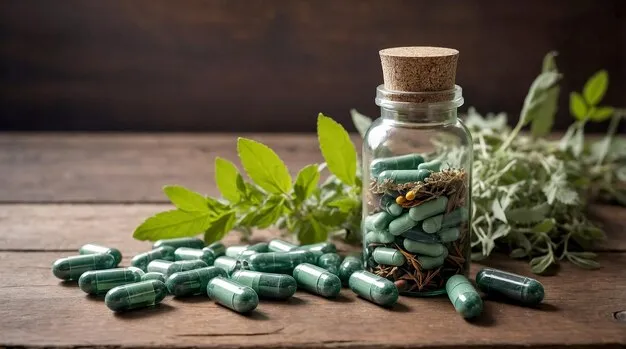
Photo: herbal supplement bottles natural remedy capsules wooden table, via img.freepik.com
The supplement aisle has mastered a particular aesthetic: soft greens, serif fonts, phrases like 'time-honored' and 'gently supportive.' The visual language says wellness. The chemistry inside the bottle, however, does not always agree.
Plants have always been drugs; aspirin came from willow bark, and metformin traces back to French lilac. The distinction between a 'natural remedy' and a 'medication' is often regulatory rather than pharmacological. Here are five signs the product in your cart has crossed that line, whether the label admits it or not.
1. It Names a Drug as Its Rival
If marketing copy promises results 'comparable to statins' or 'without needing metformin,' the manufacturer has just told you the product is pharmacologically active. Red yeast rice, for example, contains monacolin K, which is chemically identical to the prescription drug lovastatin. Treating it as a gentle additive while ignoring muscle pain or liver enzymes is a category error with consequences.
2. It Comes With Real Withdrawal
Stop a multivitamin and little happens. Stop benzodiazepine-like botanicals, kava-heavy products, or high-dose valerian regimens after months of nightly use, and some people report genuine rebound: worsened sleep, anxiety, even tremor. A substance your body must be weaned from is, functionally, a drug.
3. The Dose on the Label Is a Pharmacological Dose
Sip a chamomile tea and you are consuming trace amounts of apigenin. Swallow a standardized extract delivering a concentrated dose, and you have crossed from tradition into therapeutics. Standardized extracts exist precisely to deliver reliable, drug-like quantities. That is a feature for efficacy and a risk for interactions.
4. It Interacts With Your Prescription List
Any product with documented interactions, St. John's Wort and oral contraceptives, ginkgo and anticoagulants, ashwagandha and thyroid medication, has effectively declared itself a drug. Interaction potential is the defining fingerprint of pharmacological activity. If your supplement requires a conversation with your pharmacist, give it one.
5. It Carries FDA Warning Letters or Liver Injury Reports
The FDA's adverse event database and the Drug-Induced Liver Injury Network both track products sold as supplements. Black cohosh, green tea extract at high doses, and various weight-loss botanicals have all appeared in hepatotoxicity reports. A 'natural' label does not exempt a compound from stressing your liver; it only exempts the manufacturer from pre-market proof that it will not.
A Practical Rule of Thumb
Ask one question before buying: would I take this casually if it came in a white bottle with a pharmacy label? If the answer is no, the soft green packaging should not change your answer. Natural is a marketing category. Active is a chemical one. Your body, notably, responds only to the second.